
Starting your child’s educational journey can feel like a big step, especially when it comes to choosing the right Pre-K program. This early learning stage is more than just playtime—it’s the foundation that shapes how kids think, feel, and relate to others as they grow. In this article, we’ll break down what Pre-K really means, why it matters, how classrooms are set up, and what kinds of activities help children thrive. Whether you’re a parent new to Pre-K or looking to understand how these programs work, you’ll find clear guidance here to help make the best choice for your little learner.
Pre-K, or pre-kindergarten, is an early childhood education program designed for children typically aged 4 to 5 years old, preparing them for kindergarten by focusing on foundational skills such as literacy, numeracy, socialization, and emotional development. Our programs emphasize age-appropriate learning through creative activities that build confidence, self-esteem, and a positive attitude toward lifelong learning.
Pre-K Education: Creating a Strong Foundation
At its core, Pre-K education focuses on developing key cognitive and social skills that children will carry with them throughout their schooling and beyond. This early stage is essential because children’s brains are incredibly receptive to learning during these formative years.
Activities designed for Pre-Kers are intentionally crafted to stimulate curiosity, encourage exploration, and support emerging language and problem-solving abilities. Instead of rote memorization, the approach emphasizes interaction—through play, storytelling, and hands-on projects—that anchors knowledge in real-world experiences.
One critical element of a strong Pre-K foundation lies in social-emotional development. Children at this age are learning how to express themselves, cooperate with peers, and manage emotions—all skills that are just as important as reading or math.
A well-rounded Pre-K program integrates activities that foster empathy, patience, and teamwork so children feel confident navigating early social settings. These experiences build resilience and lay groundwork for future challenges both inside and outside the classroom.
Alongside nurturing social skills, Pre-K programs also focus on gradually introducing academic concepts in ways that respect each child’s pace.
In practice, this means children encounter foundational literacy elements like letter recognition, storytelling, and basic vocabulary through engaging methods rather than worksheets. Similarly, numeracy is introduced through sorting activities, counting games, and patterns—all designed to make abstract ideas tangible and fun. By embedding learning within play and everyday interactions, children remain motivated to explore without pressure or judgement.
Another crucial aspect is routine and structure. Pre-K gives kids predictable rhythms—such as circle time, snack breaks, and group activities—that help them learn self-discipline and time management early on. These routines provide security while encouraging independence as children learn to transition between tasks smoothly. The consistency also prepares young learners for the structure they’ll encounter in kindergarten and elementary school.
Beyond curriculum content, the environment itself plays a significant role in creating that strong foundation.
The physical space of a Pre-K classroom should be inviting yet organized, filled with materials tailored to different developmental stages—like sensory tables for tactile exploration or low-shelf books for independent reading. Teachers trained in early childhood education create warm atmospheres where questions are encouraged and mistakes viewed as learning opportunities.
This nurturing space promotes confidence by allowing children to take intellectual risks without fear.
For parents considering a Pre-K program such as those offered by Discovery World Learning Center in San Antonio, it’s worth looking at how well the curriculum balances academics with emotional growth. Programs that emphasize moral values alongside creativity give children tools not only to succeed academically but to develop character traits like respect, fairness, and kindness.
Finally, consistent communication between educators and families enhances the effectiveness of Pre-K education by tying home life into learning progress.
When parents are engaged—sharing observations about their child’s interests or challenges—it helps teachers tailor activities and reinforce skills across environments. This collaboration strengthens confidence in both child and caregiver that the educational journey is supported every step of the way.
Investing in quality Pre-K programs builds a lasting scaffold for children’s growth—not just as students but as vibrant individuals ready to face the world with curiosity and courage.
Understanding the importance of curriculum and family involvement sets the stage for appreciating how the actual learning environment shapes a child’s daily experiences and development during these early years.
The Pre-K Learning Environment
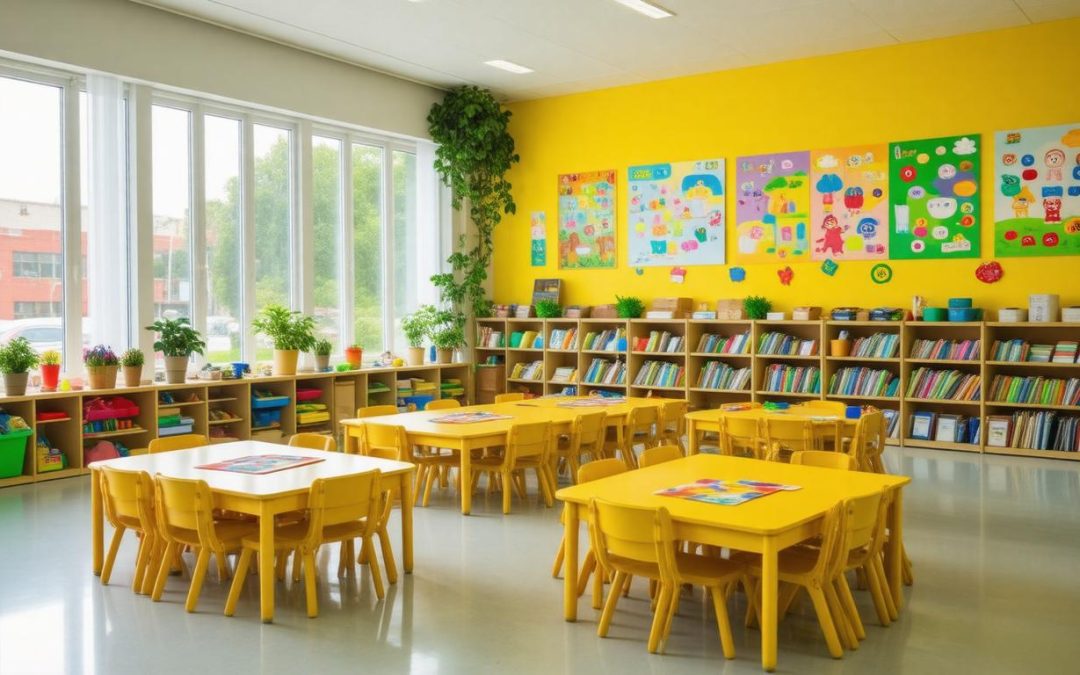
In pre-kindergarten, every detail of the classroom—from colors on the walls to the arrangement of furniture—serves a deliberate purpose: to foster exploration and growth. This environment is much more than just a room filled with toys and books; it’s a carefully curated space that invites young learners to engage actively with their surroundings. When children enter such a setting, they encounter a variety of sensory experiences that spark their natural curiosity while supporting key developmental milestones.
Central to this environment is the balance between order and freedom. Structured areas allow children to focus on specific skills like counting or letter recognition, while open spaces encourage imaginative play and social interaction. Research shows that when children move freely between structured and unstructured activities, they develop not only cognitive abilities but also creativity and emotional resilience.
Therefore, a well-designed Pre-K classroom is divided into distinct zones that appeal to diverse learning preferences—some kids absorb information best through hands-on activities, while others thrive in quiet, cozy reading nooks surrounded by colorful visuals.
One critical feature is the “print-rich” nature of these environments. Walls adorned with labeled objects, word charts, and alphabet posters help children associate spoken language with written words naturally. This immersion strengthens early literacy skills without pressure; instead of drilling facts, children absorb vocabulary and concepts simply by living amidst words daily.
At Discovery World Learning Center, classrooms are purposefully arranged to include bright displays alongside accessible bookshelves, giving each child the opportunity to explore stories at their own pace.
To support a healthy learning environment further, cleanliness and safety are paramount. Well-maintained materials invite children to handle objects confidently, while safe layouts prevent unnecessary distractions or hazards. This is why Discovery World continuously invests in child-proofed furniture and regularly sanitizes learning tools across its three San Antonio locations.
Beyond physical setup, nurturing relationships between teachers and students transform this environment into a true foundation for lifelong learning. Engaged educators observe each child’s interests and adapt activities accordingly, ensuring personalized growth opportunities within the group setting.
By blending structure with flexibility, these classrooms become vibrant ecosystems where children feel both secure and inspired.
With this strong foundation in place, attention naturally shifts to the dynamic classroom activities that fuel development and joy during these formative years.
Key Activities in Pre-K
In Pre-K, every activity is thoughtfully designed to nurture multiple areas of a child’s growth—from language and cognition to physical coordination and social skills. It’s not just about keeping busy; it’s about structured exploration that plants the seeds for lifelong learning.
Daily Activities
- Circle Time sets the rhythm for the day by encouraging children to listen carefully, take turns speaking, and develop important social skills. It creates a sense of belonging while teachers guide children through discussions that build comprehension and confidence.
- Story Time immerses kids in language and imagination. When a teacher reads aloud, it’s more than just words—it’s an interactive moment where children are invited to ask questions, predict what happens next, and relate stories to their own lives. This back-and-forth strengthens vocabulary and early literacy.
- Outdoor Play goes beyond refreshing energy release. Running, jumping, climbing—all these motions refine gross motor skills while giving children opportunities to test limits safely and learn cooperation during group games.
- Art and Craft activities offer tactile ways for children to express ideas and emotions. The act of holding scissors or brushes doesn’t just hone fine motor muscles; it also encourages creativity and individuality in a supportive setting.
- Math and Science Activities introduce basic concepts through playful experimentation—counting objects, sorting shapes, or observing simple natural phenomena like how water moves. These moments spark curiosity about the world that builds a foundation for STEM learning.
What ties these activities together is intentionality. Each one supports growth not only in isolated skills but also in critical thinking, problem-solving, and collaboration. Children learn best when they connect what they do with real-world scenarios—and this balance of structure with freedom nurtures that connection.
For parents considering a Pre-K program like those at Discovery World Learning Center, it’s valuable to observe how classrooms incorporate these varied activities throughout the day. Look for places where your child can feel safe to explore independently as well as guided through group experiences that teach patience, empathy, and self-confidence.
Recognizing the importance of diverse activities in early education naturally leads us to consider how these experiences shape children’s social and emotional development as they grow.
Social and Emotional Growth
At this tender age, children begin to experience the world not just through play, but through relationships. The ability to recognize emotions in themselves and others, to share, negotiate, and resolve conflicts peacefully—all these skills are quietly cultivated during Pre-K.
This growth is more than just preparing for school; it is about shaping compassionate, confident individuals who can navigate their feelings and social environments with ease.
Teaching emotional intelligence goes beyond simply naming feelings. Effective Pre-K programs, such as those at Discovery World Learning Center, weave empathy and cooperation directly into daily routines.
For example, when children engage in group projects or turn-taking activities, they practice patience and perspective-taking. These moments may seem small but are powerful lessons in understanding others’ points of view and managing one’s own reactions.
Supporting emotional regulation at this stage means helping children recognize when they feel overwhelmed or upset and giving them tools to calm down.
By guiding children through simple breathing exercises or encouraging the use of words instead of tantrums, Pre-K educators equip kids with lifelong coping strategies. This intentional support reduces frustration for both children and caregivers and fosters a peaceful learning environment.
The importance of this focus is backed by research: According to the Collaborative for Academic, Social, and Emotional Learning (CASEL), children who develop strong social-emotional skills early tend to perform better academically later on, enjoy healthier relationships, and display better mental health outcomes.
These findings underscore why parents and educators alike prioritize emotional growth in early childhood education.
Parents looking to reinforce these skills at home can engage children in conversations about feelings, encourage sharing stories about their day, or role-play different social scenarios.
Even simple acts like acknowledging when a child shares toys or helps a friend strengthen the social-emotional wiring being developed in Pre-K.
It’s no surprise when parents like Maria from Discovery World Learning Center share how their child blossomed socially and emotionally during their Pre-K experience:
“My child learned to express their feelings constructively and made lifelong friends.”
This transformation highlights the profound impact structured social-emotional learning has on young learners.
As emotional intelligence grows alongside academic skills, children gain confidence not only in school but also in broader life contexts—setting them up for success far beyond their earliest classroom experiences.
Looking beyond the children’s development itself, it is essential to understand the vital influence that educators and family members play in nurturing this growth. The next focus sharpens on these cornerstone roles that shape a child’s early years.
The Role of Teachers and Family
Pre-K teachers do far more than simply deliver lessons; they are attentive observers and guides who tailor their approach to each child’s individual needs. A qualified teacher understands early childhood development deeply, recognizing that no two learning paths look exactly alike. This personalized attention helps children flourish in areas like language, motor skills, and social interaction.
Moreover, effective teachers continuously update their knowledge by engaging in professional development programs recommended by the National Association for the Education of Young Children (NAEYC). This commitment ensures they use the latest research-backed methods to nurture creativity, confidence, and critical thinking in young minds.
To excel, teachers must not only master curriculum content but also build trusting relationships with children—providing emotional support while encouraging curiosity and exploration. Their role extends beyond the classroom; participating in family meetings and sharing observations informs parents of milestones and challenges. Such transparency is crucial for early interventions when necessary.
Family’s Role
Parents are undeniably their child’s first and most influential teachers. The learning that starts at home sets the tone for what children encounter in Pre-K classrooms.
When families actively engage with what their children are learning—whether by reading together, practicing counting during daily routines, or encouraging creative play—the home environment becomes an extension of school life. This reinforcement boosts a child’s confidence and cements foundational skills.
Communication plays an essential part here; regular updates from teachers about a child’s progress allow parents to support growth effectively at home. John, a parent at Discovery World Learning Center, shares that weekly progress reports have helped his family continue lessons around numbers and letters outside school hours, creating a seamless learning continuum.
Establishing routines centered on learning—like storytime before bed or simple science experiments during weekends—not only nurtures academic skills but also strengthens family bonds through shared discovery.
“When our child comes home excited about what they learned at Pre-K, it motivates us parents just as much. Being involved has made all the difference,” remarks another family actively collaborating with their child’s teachers.
Together, teachers and families form a partnership that supports the whole child—academically, socially, and emotionally—laying a strong foundation for the next steps in education. Moving forward, understanding how to navigate enrollment can ensure your child begins this journey smoothly and confidently.
Guide to Enrolling in Pre-K
Enrollment in a Pre-K program can often feel overwhelming, but when you break it down into manageable steps, the process becomes much more approachable. Each year, approximately 1.5 million children take this important step toward their educational journey, underscoring just how vital it is to get it right.
The first and most important step is researching programs with care. You want to look beyond just convenience or cost; focus on centers that are licensed by the state and accredited because these certifications ensure quality standards are met—everything from curriculum development to teacher qualifications. By exploring online reviews and parental feedback, you gain an insider’s perspective that might not be visible in brochures or marketing materials.
Once you’ve narrowed down your choices, visiting the centers is key. Seeing classrooms in action will give you firsthand knowledge of the environment your child will experience daily. It’s about soaking in the atmosphere—how teachers interact with students, the organization of activities, and how comfortable your child feels in that space.
Interacting with teachers and staff during these visits cannot be overstated. These conversations allow you to ask questions about their teaching philosophy, safety protocols, and how they support social and emotional growth in children. Building trust through these personal connections makes the entire experience less intimidating.
When you’ve selected a preferred program, it’s time to dive into the application process. Early submission is crucial since many reputable centers maintain waitlists due to high demand. The paperwork typically involves providing some mandatory documents vital for compliance and safety.
| Document Needed | Description |
|---|---|
| Birth Certificate | Proof of your child’s age |
| Immunization Records | Verification that vaccinations are current |
| Proof of Residence | Utility bill or lease agreement confirming address |
| Emergency Contact Info | Names and numbers for people authorized for emergencies |
Besides paperwork, don’t overlook medical records or any individualized care plans if applicable—this ensures staff are prepared for your child’s unique needs from day one.
Once enrolled, attending orientation sessions helps ease both parents’ and children’s transition into the program. These sessions provide detailed overviews of daily schedules, rules, nutrition policies, and opportunities to meet other families embarking on the same new chapter.
Orientation also offers a perfect chance to clarify any final doubts directly with administrators while setting expectations right away. This transparent communication builds confidence and peace of mind before classes officially start.
For families near San Antonio or searching for trusted childcare options, Discovery World Learning Center offers comprehensive Pre-K programs with flexible schedules and experienced staff dedicated to nurturing each child’s growth. Visit discoveryworldsa.com for full details on enrollment procedures, curriculum highlights, and upcoming open house events tailored specifically for parents ready to begin this journey with their little ones.
Navigating Pre-K enrollment with clear information and proactive planning sets a strong foundation for your child’s educational adventure ahead. Taking time now to choose wisely means confident steps tomorrow as your little one begins this exciting new chapter.
Recent Comments